What Centreville's Home Search Looks Like Through 2031
At its July 16, 2026 meeting, the Centreville Town Council voted unanimously on four proposed single-family houses from Lacrosse Homes at 116, 118, 122 and 126 Spring Street. The July 16 minutes record the vote.
Four houses on one block made the council agenda by street number. Eleven weeks later, on October 1, the council took up a single accessory dwelling unit elsewhere in town. For anyone comparing Upper Shore towns, this sets the terms of a Centreville search. Through about the end of the decade, Centreville's market will be the homes already standing, plus the lots the council approves a few at a time.
Centreville's wastewater treatment plant dates to 1935. It was expanded over the years, added a Biological Nutrient Removal facility in 2001, and now has a permitted capacity of about 542,000 gallons per day, according to the town's May 20, 2026 work session minutes. The town is designing a replacement with Whitman Requardt & Associates. The design uses a membrane bioreactor system and fits entirely within the existing plant property.
The town's own record connects growth to that plant. In 2022, MyEasternShoreMD reported that the Carter Farm proposal at 408 Chesterfield Avenue would have used the plant's last 36,000 gallons per day of capacity. Town Manager Chip Koogle said at the time, "Any large development going forward is dependent on the modernized and expanded wastewater treatment plant." That capacity figure is four years old. The principle still matches the town's 2026 planning.
The schedule appears in a September 17, 2026 letter from the Town Council to the Queen Anne's County Commissioners. The town anticipates going to construction bid in spring 2028 and anticipates finishing construction in 2031. At the September 17 council meeting, staff reported design about 60% complete, with 90% design expected by the end of November and submission to the Maryland Department of the Environment by the end of 2026.
The price is real. In May, the town's planning-level estimate was about $34 million for the plant upgrade and a $10 million placeholder for discharge infrastructure. With contingencies and escalation, the total conceptual estimate came to about $65 million. Staff stressed that these numbers could change once bids come in. Funding sources discussed included Bay Restoration Fund grants, the State Revolving Loan Fund, Congressionally Directed Spending and county or state partnerships. A project this size, still being designed and financed, sets the pace for every large neighborhood that depends on it.
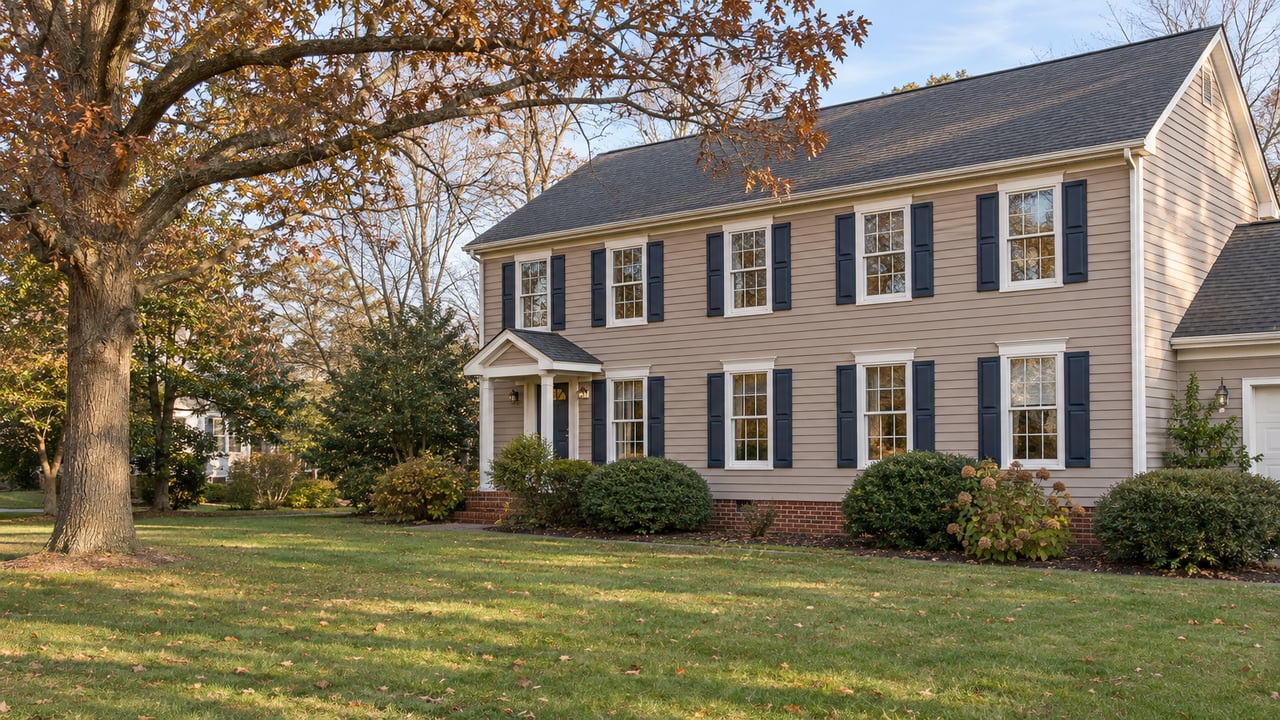
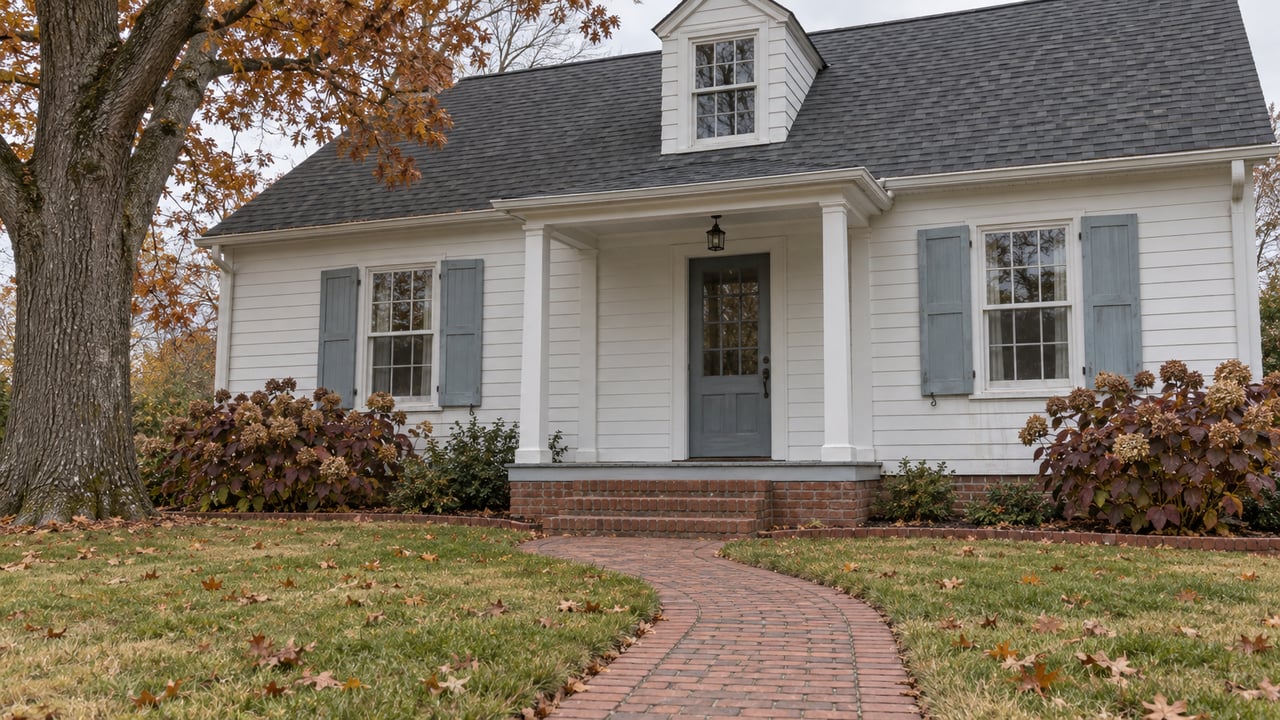
If new neighborhoods are years away, the useful question is what Centreville's existing housing looks like. The town's 2040 Comprehensive Plan, adopted December 14, 2023, has the clearest answer. Using 2019 American Community Survey estimates, the plan found that 41% of the town's housing units were built in one decade, 2000 to 2009, and about 14% are in structures built before 1940. About 85% of units are single-family detached homes and 5% are townhouses.
That gives Centreville a two-part housing stock with a thinner layer of mid-century homes between the parts. The large part is the 2000s subdivisions. The plan names North Brook to the north and Symphony Village to the south among the neighborhoods created by subdivision in the decades before it was written. Symphony Village is a 55+ community of 395 single-family homes built by Caruso Homes between 2003 and 2016. Its models range from 1,401 to 3,320 square feet, and every sale there is now a resale. In North Brook, Mallard Homes built four-bedroom homes with two-car garages. Its Miles model runs about 2,400 square feet.
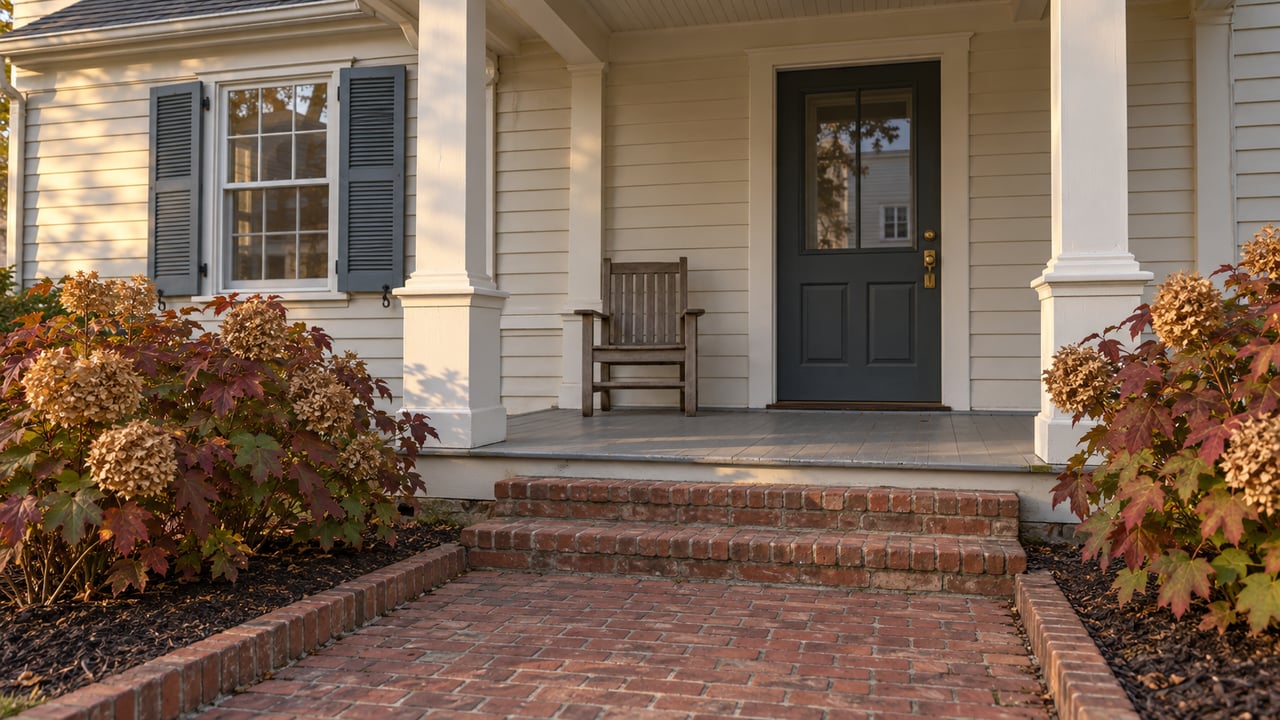
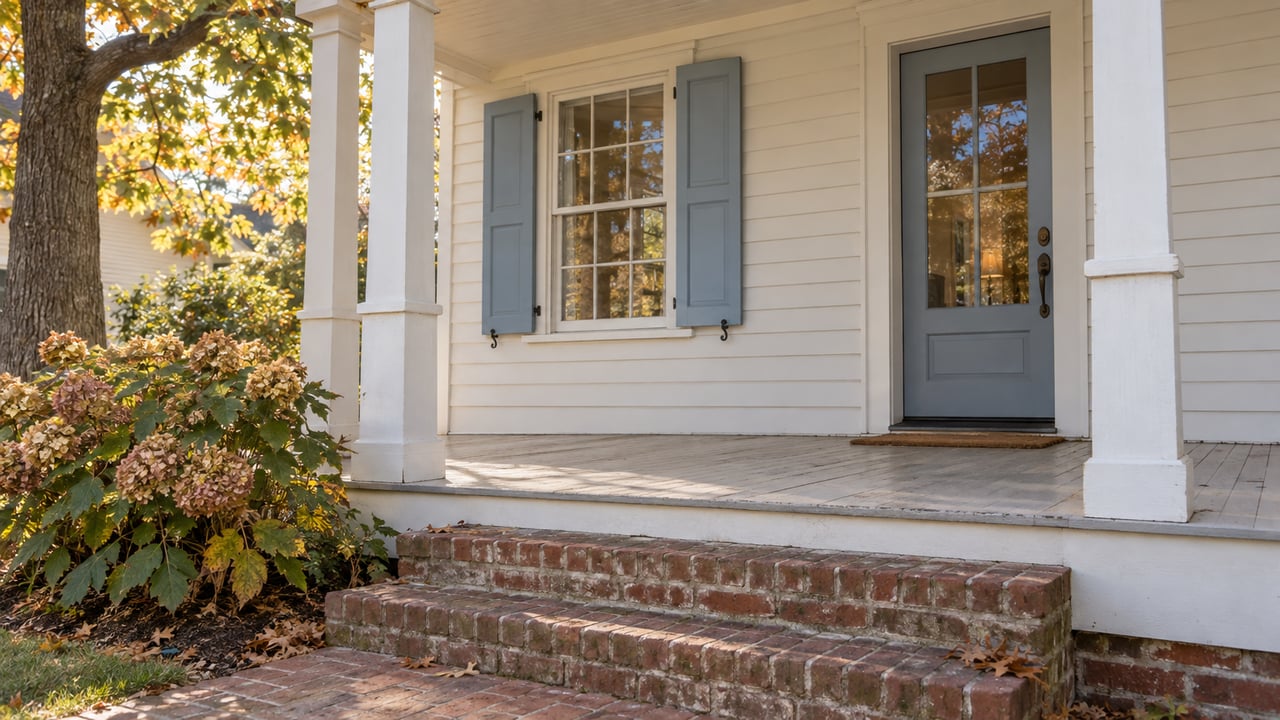
The older part is the town around the courthouse. The Centreville Historic District was listed on the National Register in 2004. It covers 408 resources, 327 of them contributing, with buildings dating from 1746 to 1950. Its housing ranges from early brick and frame houses to Victorian, Colonial Revival and bungalow forms. The 2040 plan describes the central Chesterfield and Water/Kidwell neighborhoods as primarily detached houses. These streets put you within walking distance of downtown. Our earlier look at why downtown Centreville keeps courthouse hours and the multi-phase rebuild of the Wharf trail park covers what that daily life looks like.
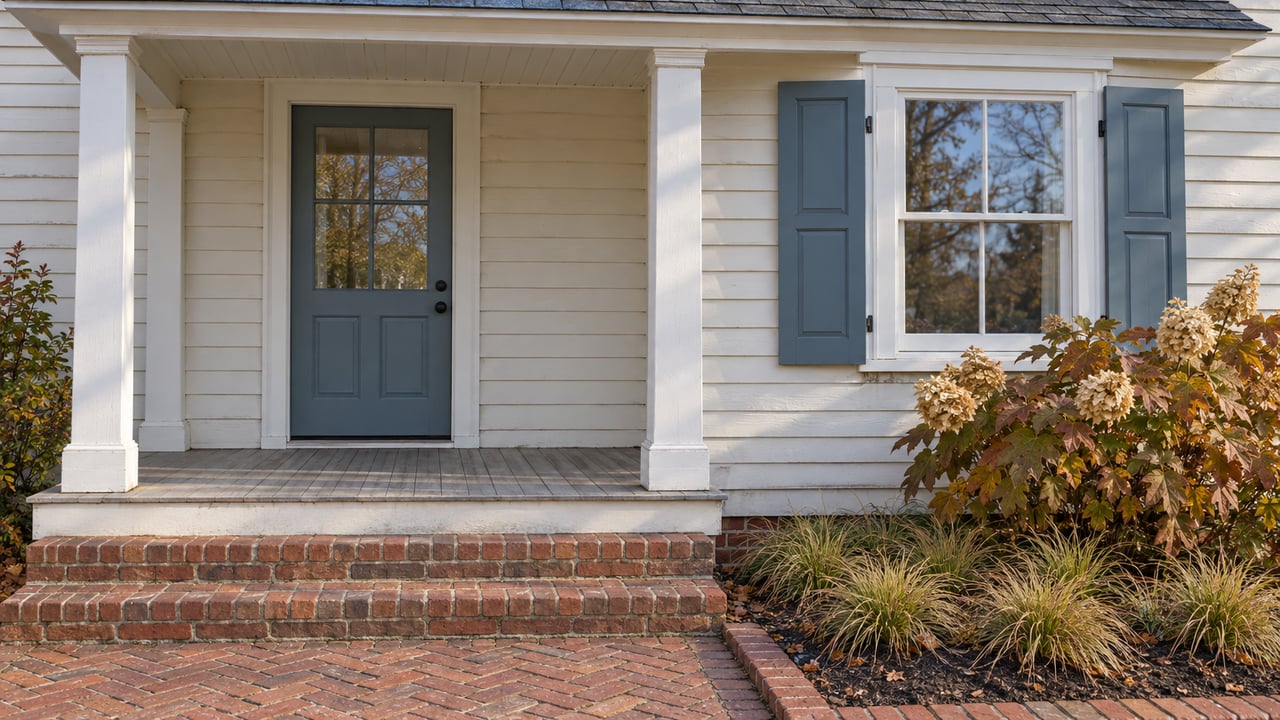
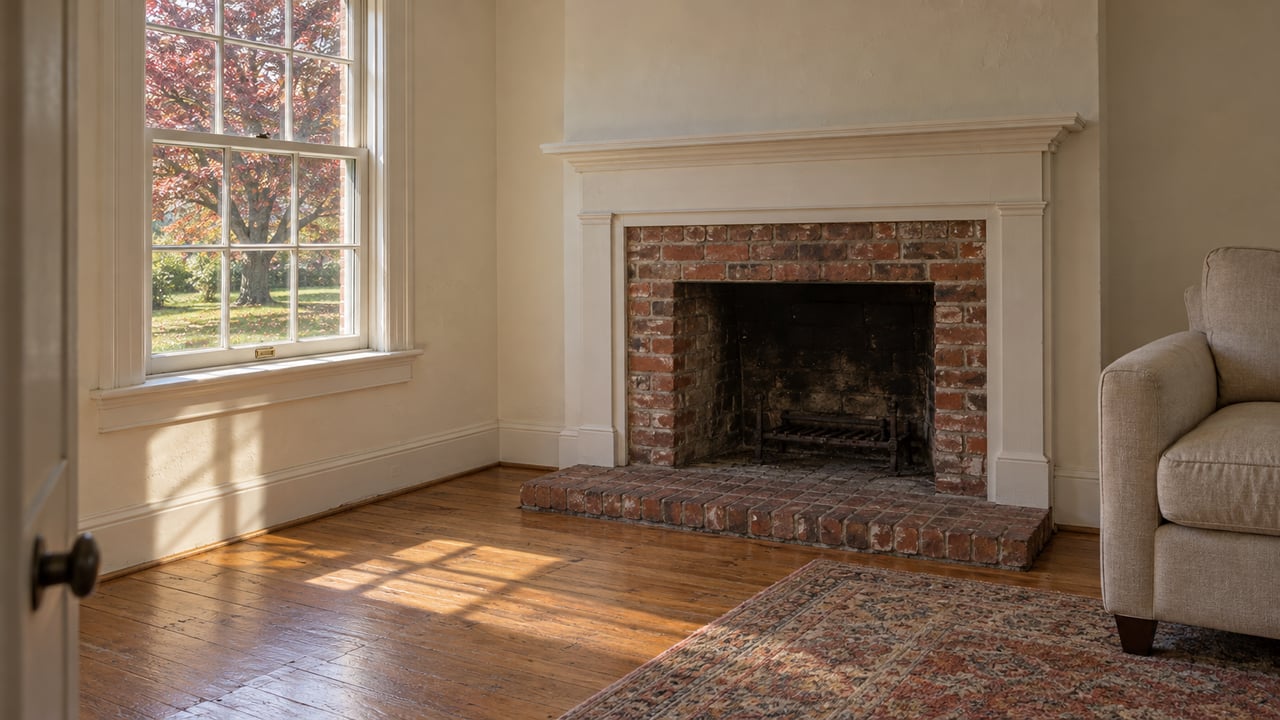
For a buyer, the practical point is that a 2000s-era home and a pre-1940 home are the two most common kinds of houses you will tour here. They need different inspections, budgets and timelines. A home from the 2000s is now about two decades old, and so are its roof, mechanical systems and appliances. A historic-district house raises a different set of questions. Brand-new construction, the usual third option, is limited in Centreville through the end of the decade to infill lots like the four on Spring Street.
The monthly figures below cover all of Queen Anne's County. In Maryland REALTORS' October 2026 report, Queen Anne's County had 89 settled sales, a $555,000 median sale price, 302 active listings, 4.3 months of inventory and 40 median days on market. In September 2026, the county had 58 settled sales, a $497,500 median, 292 active listings, 4.2 months of inventory and 35 median days on market.
From September to October, the median rose $57,500 while active listings rose by 10 and months of inventory barely moved. With a few dozen sales a month, the median mostly reflects which homes happened to close that month. A month heavy with waterfront or larger homes lifts it, and a month heavy with modest homes lowers it. The steadier figure is the full year. For 2025, Maryland REALTORS reported 859 sales countywide at a $534,900 median, in its year-end report.
For Centreville, the county figures say little about the specific house you are weighing. Supply in town comes from owners deciding to sell, not from builders opening new phases. So the best guide to price is recent resales in the same neighborhood and the same era of construction. A Symphony Village resale compares best with other Symphony Village resales, and a bungalow near the courthouse compares best with older homes on nearby streets. The county median mixes all of them with Kent Island and the rest of Queen Anne's.
The pause on large neighborhoods is tied to capacity, not to a lack of land or plans. The 2040 plan counted room for 749 housing units, mostly on five major infill tracts totaling 264 acres. It recommends complete-neighborhood design for those tracts at an overall density of about 3.5 units per acre. At the May work session, council discussion of future growth covered Providence Farm, Carter Farm and Turpin Farm.
Providence Farm is the furthest along. The 279-acre property was annexed in September 2024, and the town envisions it as a "Complete Neighborhood" with a mix of housing types, parks and open space. The County Commissioners voted on the property's water and sewer planning at their September 21 meeting, according to the county's meeting wrap-up. The town's September letter says construction "will coincide with wastewater facilities expansion and capacity availability."
Carter Farm is on hold. Its 2022 plan proposed 126 homes: 36 detached houses, 44 cottage lots, 27 townhomes and 19 multifamily units. In 2022, MyEasternShoreMD reported that the developer asked the council to wait until progress on the plant made capacity available, and the council did not take the proposal up that year.
So the plans call for a town with more types of housing, including the townhomes, cottages and apartments over downtown storefronts that the 2040 plan encourages. That growth arrives after the plant is built. A buyer who closes in the next few years buys into the established town, with that next phase planned for later.
Can I buy a brand-new home in Centreville today? Only on a small scale. Recent council minutes show new homes coming before the council one or a few at a time, such as the four Spring Street lots in July and a single accessory dwelling unit in October. New construction on the scale of a full subdivision is tied to the plant schedule.
When could Providence Farm have homes? The town has not set a date for homes. It expects the plant to go to bid in spring 2028 and be finished in 2031, and it says Providence Farm construction will follow capacity.
Where can I follow progress? The Town of Centreville's agenda center posts council minutes, which include plant design updates and each allocation vote.
Choosing between a 2000s-era home in North Brook or Symphony Village and an older house near the courthouse is the main decision in Centreville right now, and it goes better with someone who knows both. As a Chestertown native, I am glad to walk those streets with you, share recent resales from the same era of construction, and talk through what a 20-year-old roof or a 100-year-old foundation means for your budget. You can start with our Centreville neighborhood page, or reach out to Jody Baker and let's connect.
Stay up to date on the latest real estate trends.
Buying or selling a home is a big decision, and you don’t have to navigate it alone. Jody Baker provides local expertise, personal attention, and dedicated support to help you move forward with confidence.