Church Hill Lights Its Tree at the Church That Named the Town
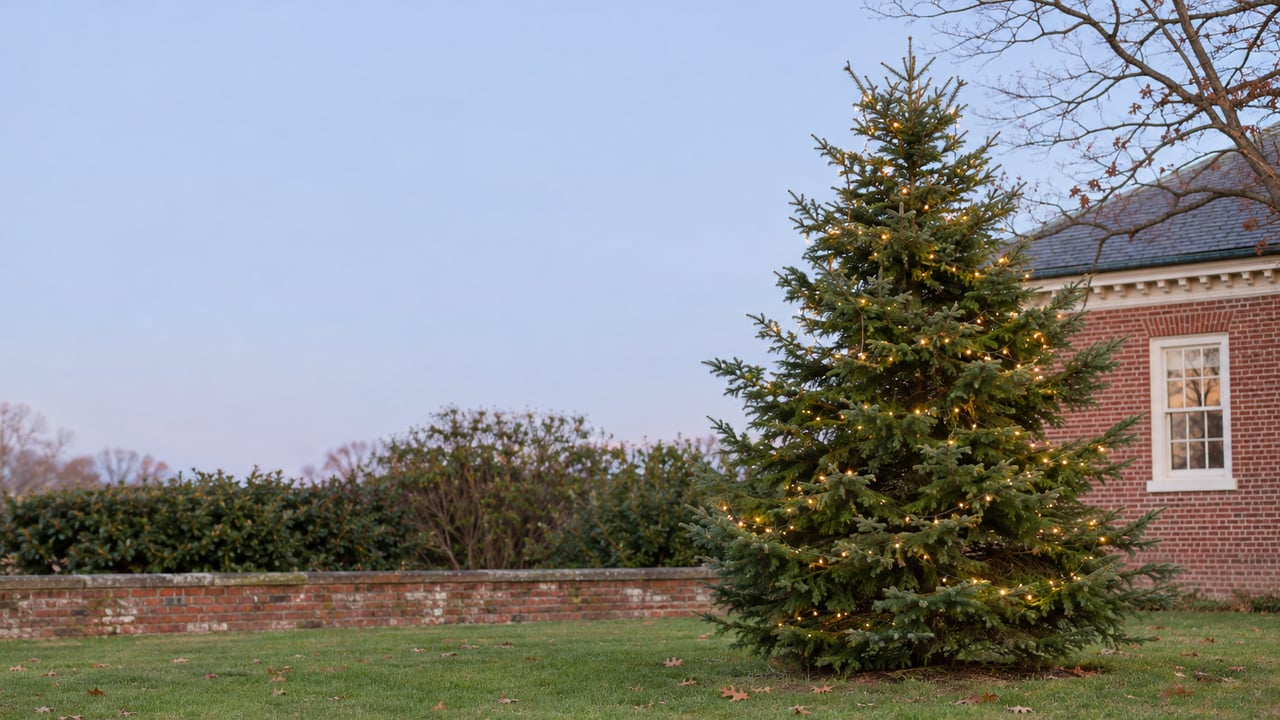
"St. Lukes Tree Lighting and Christmas Caroling will follow at St. Luke's Episcopal Church." That line is from the Church Hill town meeting minutes of October 19, 2026. It sits in a committee report between a Fall Fest recap and a note about fireworks for next June.
On the Sunday after Thanksgiving, Church Hill will hold its Christmas evening at the brick church that gave the town its name, and that church has stood on the same ground since the early 1700s.
Commissioner Matthew Tuma laid out the order at the October 19 meeting. The town's Christmas Open House comes first, at Town Hall. The tree lighting and caroling at St. Luke's follow it. Earlier in October, the town had described the evening as St. Luke's coordinating its tree lighting together with a small open house at Town Hall.
The evening runs in this order:
The whole evening happens within a block or two of Main Street. Because it falls on the Sunday of Thanksgiving weekend, guests still in town can come along before they head home.
The town takes its name from this building. In its Hidden History article on St. Luke's, published July 2, 2025, Visit Queen Anne's County calls St. Luke's "the 'church on the hill'" and the "origin of the town's name." The same article places it among the oldest surviving brick churches in Maryland.
The church came before the brick. The article says a wooden church stood on the site in 1728. The brick building replaced it a few years later and took about three years to build, at a cost of 140,000 pounds of tobacco. The Maryland Historical Trust's National Register record dates the construction to c. 1729 to 1732. The county's article uses 1732.
So the town's Christmas evening starts at the building where the town conducts its business today, and the tree is lit at the building the town was named after.
St. Luke's has changed over three centuries. Its later additions are easy to see, and each one has a date.
| Year | What happened at St. Luke's |
|---|---|
| 1728 | A wooden church stands on the site, and the first parish vestry is elected |
| c. 1729–1732 | The brick church is built |
| 1735 | Wooden tablets bearing the Lord's Prayer, the Apostle's Creed and the Ten Commandments arrive as gifts from the Queen Anne's Bounty Fund |
| 1740 | The gallery is completed |
| 1881 | The square Italianate tower is added at the west end |
| 1951 | The Daughters of the American Revolution move Joshua Seney's remains to the St. Luke's cemetery |
| 1977 | The church is listed on the National Register on November 23 |
The county's history describes the early parish's finances. By 1735 the church's 44 pews had been sold to 66 members, and some of them shared a pew to split the annual fee of 524 pounds of tobacco. The gallery finished in 1740 is where enslaved and free Black residents worshipped.
The Maryland Historical Trust describes a one-story brick church, five bays long and three bays wide. Its walls are laid in Flemish bond with glazed headers. Narrow buttresses separate the tall side windows, which have semicircular brick arches over them.
The roof is the detail that sets St. Luke's apart. The Trust's record puts it this way:
"The gambrel roof of the main structure is distinctive in itself, and its use on the semicircular apse, as well, is an unusual feature on the Eastern Shore."
The record adds that only two other 18th-century Maryland churches have the semicircular apse, which people at the time called the "circle." St. Luke's is also covered with cypress shingles.
The front entrance has a history too. The church was built with three entrances, including large doors in the north and south walls. Those side doors were later turned into windows. The west door was enlarged into the main entrance, and its double doors with a fanlight now open into the 1881 tower. The original roof had a bell cote on the west gable holding a 180-pound bell, which was removed about ten years after the church was finished.
The Trust calls St. Luke's "one of the oldest colonial Episcopal churches still in use." It is still an active church, which is why it can host the tree lighting at all.
The building's age ties it to Maryland's founding generation, and the county's article names the families involved.
Solomon Wright was on the first St. Luke's vestry in 1728. His son, Judge Solomon Coursey Wright, served in the Maryland Revolutionary Conventions. On July 26, 1775, he signed the Declaration of the Association of the Freemen of Maryland alongside Matthew Tilghman, Charles Carroll, William Paca and Samuel Chew. In 1778 he was appointed a judge of Maryland's first Court of Appeals.
The Seney family were parishioners. Lt. Colonel John Seney reviewed local Continental Army recruits and led the 5th Battalion of Militia. According to the parish history quoted in the county's article, he also "helped hold the Parish together by ordering the congregation to pay up on their subscription pledges." His son Joshua became High Sheriff of Queen Anne's County, served as lay reader at St. Luke's in 1785, and was elected to the Continental Congress.
In 1951, the Daughters of the American Revolution moved Joshua Seney's remains from the family cemetery to the St. Luke's Church cemetery. Markers there now honor both father and son as patriots. If you come early on November 29, you can find the Seney markers while it is still light, before the crowd gathers for the 6:00 pm lighting.
The parish also had hard years. The county's article describes troubles in the 1760s and 1770s, the growth of Methodism after 1774, and Maryland's 1776 vote to end tax support for the church. It notes that St. Luke's survived those years when many other parishes did not.
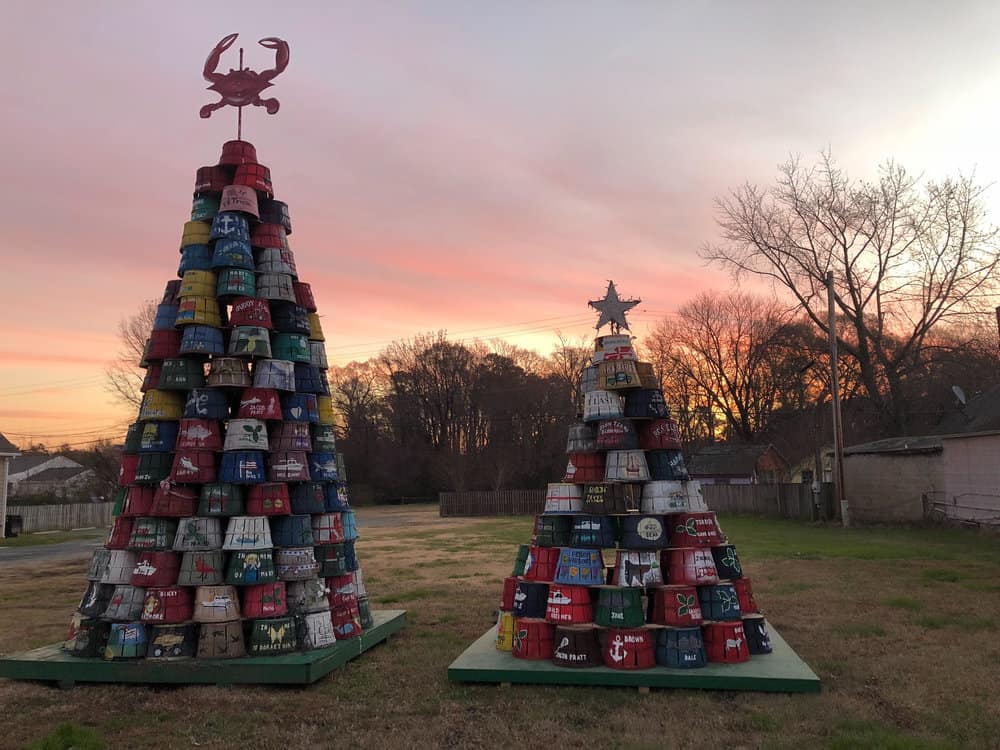
The tree lighting is the biggest gathering at Main Street and Church Lane this season, and the corner stays busy around it.
St. Luke's shares its parish with St. Andrew's Chapel in Sudlersville, and the full calendar for both churches is on the St. Luke's Parish website. Last December, the town also held a Christmas Lights Decorating Contest, and residents voted for their favorite decorated house through December 19. If the town brings the contest back this year, the Christmas Open House at Town Hall is a good place to ask about it.
If you're expecting family on Thanksgiving weekend, keep Sunday evening free. Plan to stop at the open house first and reach St. Luke's on Church Lane before 6:00 pm.
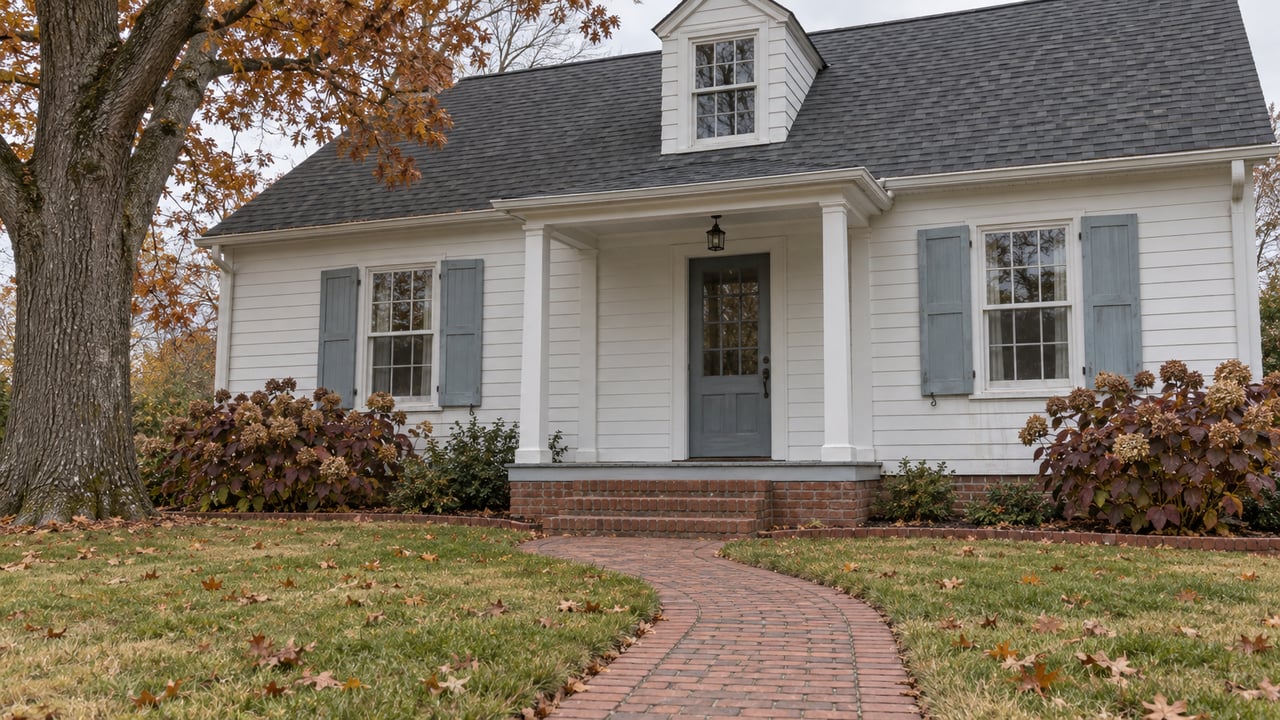
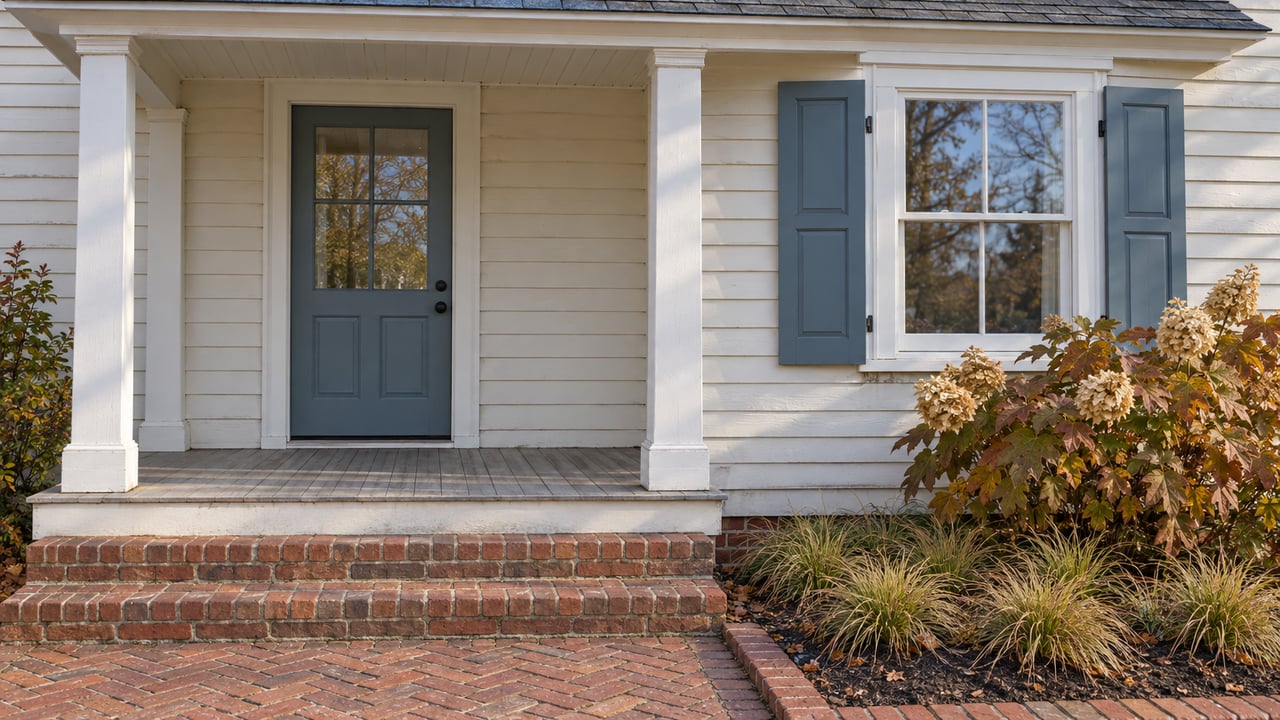
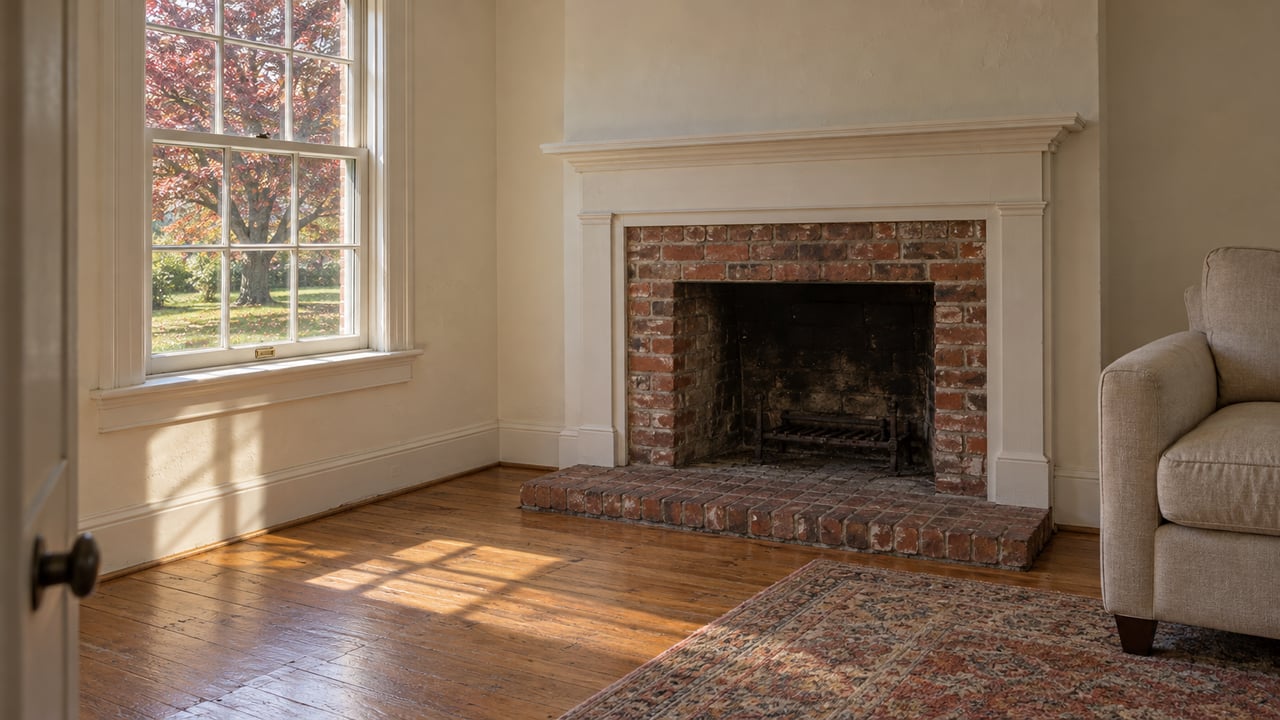
I grew up in Chestertown, and I still love seeing a town gather at the building it's named after. If you have questions about Church Hill's older homes, its streets or anything else around town, Jody Baker is happy to talk it through. Let's Connect.
Stay up to date on the latest real estate trends.
Buying or selling a home is a big decision, and you don’t have to navigate it alone. Jody Baker provides local expertise, personal attention, and dedicated support to help you move forward with confidence.