What Changed at Church Hill Park This Year
For one week at the end of June, the loop at Church Hill Park was closed. Anyone who walks it regularly noticed, because there wasn't a detour. The trail was just gone, replaced by machinery and a stretch of milled gravel where smooth asphalt used to be. By the Fourth of July it reopened, and the surface underfoot was different than it had been in June: the county had approved milling, grinding, and repaving portions of the trail system at both Church Hill Park and Sudlersville Park, the kind of maintenance that sounds routine until you're the one whose ankles feel the difference on the first lap back.
That closure is the most visible sign of something that's been happening in smaller pieces for a few years now. Church Hill Park isn't getting bigger or fancier. It's getting fixed, one system at a time, and the pattern tells you something about how a town this size actually takes care of what it already has.
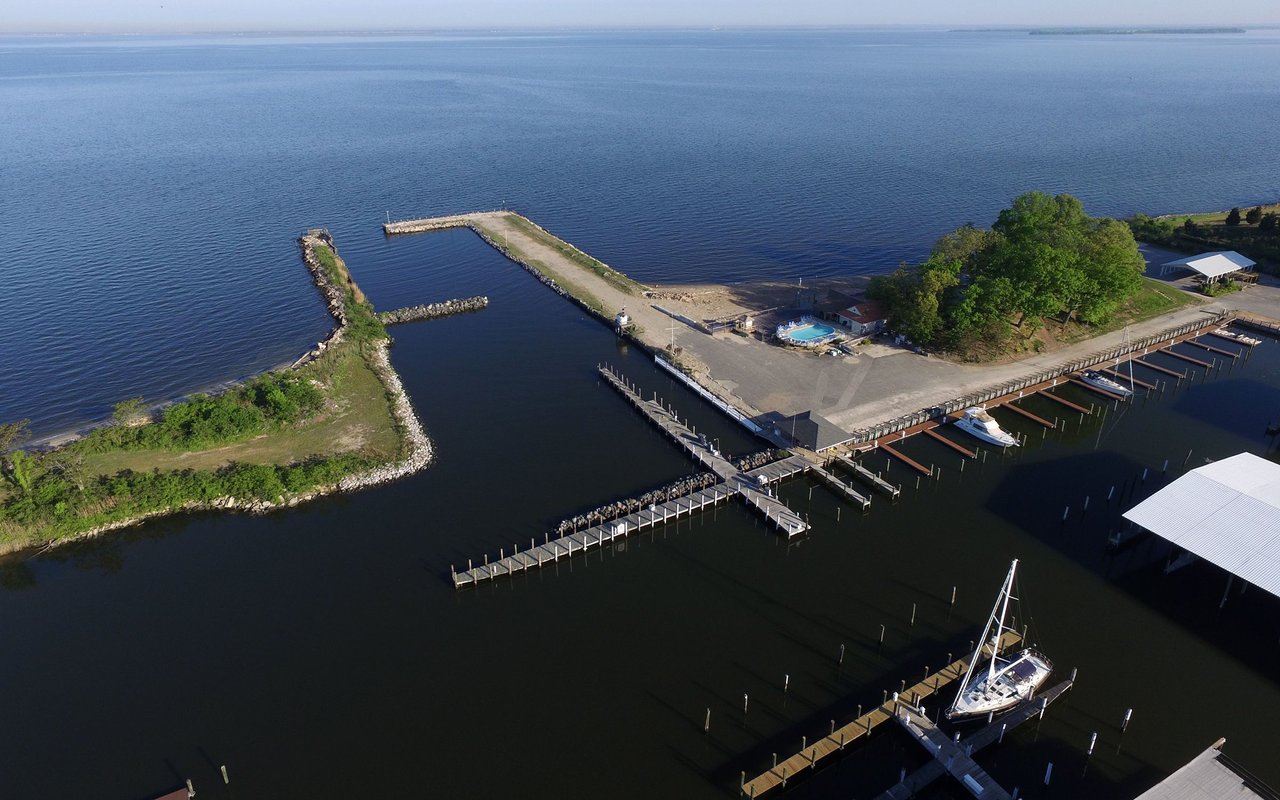
Church Hill Park covers roughly 40 acres just off Main Street, and its centerpiece has always been the same one-mile paved loop that wraps the perimeter, past the ball diamonds, the lighted field, and a stretch the county has spent years planting with trees and flowers. The resurfacing project didn't touch the route. It touched the surface itself, milling down the old asphalt and laying fresh material so the loop is smoother and more consistent underfoot than it was a summer ago. The county's own language for the project is practical rather than promotional: safer, smoother, more accessible travel through a park that gets used by walkers, runners, and stroller traffic every day of the week.
That distinction matters if you've walked the loop for years and assumed it would always look the way it always has. It won't, not because the county is planning something dramatic, but because a paved trail that sees daily foot and bike traffic needs this kind of attention on a cycle, and this was the year it came due.
The other change at the park this year is a genuine addition rather than a repair. Pickleball courts arrived in spring 2026, joining a lineup of amenities that has been filled in gradually rather than all at once. The turf field went in back in April 2023, built to host football, field hockey, and soccer on a surface that doesn't turn to mud every time it rains. The basketball courts got a full renovation in 2021 and were freshly color coated and striped again by the middle of 2023. Add the two baseball diamonds, the playground, the horseshoe pits, and the pavilion that's been there for years, and what you get is a park that has quietly added a new sport roughly every couple of years without ever becoming a construction site for long.
None of these additions came with much fanfare. There was no ribbon cutting announced ahead of time, no campaign asking residents to weigh in. The courts and the turf and the fresh striping just appeared between one season and the next, which is close to the actual rhythm of how small-town recreation budgets work: a little bit, on a schedule, mostly noticed by the people already using the space.
A few blocks from the park sits Church Hill Theatre, housed in a restored art deco building on Walnut Street that used to be a movie house. It's the only remaining active indoor theatre in Queen Anne's County, which is a fact easy to say and easy to undersell. There is nowhere else in the county to see a live production indoors except this building, run by a community that has kept it going through Neil Simon revivals, original scripts from local playwrights, and musicals staged with volunteer casts.
The theatre doesn't hire its directors the way a professional company would. Each season's lineup gets decided through an open application process, reviewed by the theatre's own production committee, with the people who sit on that committee ineligible to direct that same season. Decisions are typically finalized by early October, which means the shows a Church Hill resident will see on stage next year are, right now, still being sorted out by a small group of volunteers reading through applications from other volunteers. It's a different kind of change than the resurfaced trail or the new courts at the park. Nothing gets built or paved. The entire season gets decided by people who live here, deciding what the rest of the town gets to watch.
Alongside this year's upgrades, the town also has longstanding points of continuity. Rhodes Store, at 620 Main Street, has been open in some form for 34 years, selling gas, groceries, and the kind of convenience-store staples that make it possible to run an errand without leaving town. Its long presence is a different kind of local continuity alongside the changes elsewhere this year.
Put the four pieces together and a shape emerges that's easy to miss if you only ever notice one of them. The park is investing in new ways to use the same acreage. The theatre is investing in who gets to decide what goes on stage. The store on Main Street is another point of continuity. A town this size doesn't overhaul itself all at once. It fixes the trail and adds a court this year, lets one committee decide a season's worth of shows, and includes a store that has been open in some form for 34 years.
That's a different story than "Church Hill got new pickleball courts" or "the local theatre needs volunteers." It's a town whose upkeep happens in pieces, on staggered schedules, mostly without announcement, which is probably why a resident who walks the loop every week might notice the smoother pavement before they ever hear the county explain why it happened.
If you've been watching these same three or four blocks change in small ways and want to talk through what any of it means for property nearby, or you just want to compare notes on what else is shifting around town, Jody Baker would love to hear from you. Let's Connect.
Stay up to date on the latest real estate trends.

Whether you’re buying or refinancing a house, you’ll need an appraisal before signing anything.

It’s essential to consider the potential pros and cons before buying any home, including a new build.
Buying or selling a home is a big decision, and you don’t have to navigate it alone. Jody Baker provides local expertise, personal attention, and dedicated support to help you move forward with confidence.